Grease in the Mining Industry: a Critical Success Factor
Mark Drayton
Goss Engineering
Abstract
The considered selection, application and maintenance of grease in mining machinery are critical to prevent bearing failures and costly downtime.
Understanding the properties of different grease types – and the complexities surrounding their application and maintenance – plays a vital role in extending asset life. Yet specialist knowledge of lubrication techniques generally falls outside the core skillsets of the mining and processing industry and is often subcontracted to service providers.
The author contends that the broader mining industry stands to benefit from increased awareness and knowledge about grease, which presents unique challenges compared to lubricating oils because it is generally engineered for a particular use. There are many different types of grease, requiring different processes. While lubricant selection is important, it is only one element of a comprehensive lubrication and reliability strategy.
Historical practices and modern developments in tribology (the science of friction, wear and the interaction between moving surfaces) are described to promote useful context for operational teams and managements. This includes consideration of how different types of grease are engineered for their intended application, application techniques and operational factors.
Common reasons for bearing failures are highlighted and a seven-phase lubrication checklist is presented as a holistic framework to promote efficiency and reliability of machinery.
Introduction
The capital-intensive nature of mining industries and evolving operational needs apply considerable pressure on management to increase production and reduce costs, while also reducing impacts on health, safety and environment. In this context, significant effort is warranted to avoid downtime caused by machinery failure.
Grease is a critical component for equipment reliability and performance.
While the modern mining industry has developed exceptional capability in extraction and material processing, the critical function of lubrication is generally or often outsourced. The industry relies largely on the advice of lubricant suppliers to determine which lubricant is best suited for a particular application. The major lubricant suppliers have improved their technical support and advice considerably in the last 10-20 years, creating roles within their operations for technical and tribology support for both fuel and lubricants.
While lubricant selection is important, it is only one element of a comprehensive lubrication and reliability strategy. Prevention of bearing failure relies on the correct selection, application and maintenance of grease. This presents unique challenges because there are many types of grease, engineered to suit specific applications. Different grease types require a variety of application and maintenance methods.
While lubrication oils are mostly paraffinic, synthetic hydrocarbons (SHCs) or polyalphaolefin (PAOs), grease comes in at least 10-12 different thickener types, different base oil viscosities, and different additives depending on the application.
The history of lubrication even before the Industrial Revolution provides a fascinating foundation for today’s mining industry to consider grease as a critical success factor. Understanding the properties of different grease types – and the complexities surrounding their application and maintenance – plays a vital role in extending asset life.
The following seven-phase strategy is based on the author’s 40-plus years of experience in the lubrication field and includes a key focus on attitude, which is presented as a critical link in the process. Attitude refers to the human behaviour relating to the application of lubrication.
The seven Rs of lubrication
- Right product (to ensure the grease type and specifications match the application)
- Right timing (appropriate lubrication intervals without delay or shortcuts)
- Right place (applying grease where it is required, ensuring connectivity and delivery)
- Right amount (to avoid under or over lubrication)
- Right cleanliness (to avoid contamination)
- Right equipment (using appropriate tools and fittings to deliver grease effectively)
- Right attitude (promoting accountability, observation and care among maintenance teams)
This paper explores the right product, place and attitude in the context of history and modern-day experience.
Historical Overview of Grease in Mining
Before the industrial revolution, crude oil was primarily used in areas such as medical, military, building, sealing timber on wooded vessels, wagon wheel hub lube and lighting fuels. In certain regions, crude oil or natural ‘pitch lakes’ occurred in surface ponds, seeping and bubbling up from underground reservoirs (see Figure 1).
Early distillation techniques enabled the production of lighting fuels from these materials. They were used in streetlamps as well as domestic and commercial settings.

Figure 1: Pitch lakes as found in the United States of America (Stanchfield 2025)
The late 19th century marked a pivotal shift with the development of the internal combustion engine and the emergence of the automobile, developments that coincided with the Second Industrial Revolution. These technological advances created a demand for more sophisticated refining processes. It enabled the production of diesel, petrol and lubrication oils tailored to the needs of rapidly expanding industries and new mobility technologies such as motor cars and trucks.
The need for raw materials, iron and coal expanded with the development of the motor vehicle industry, construction and steel making. This required greater levels of lubricant performance to meet the growing demands of mining and process equipment.
Background to modern day grease
Prior to the 1980s, the predominant greases used in mining operations (both fixed processing plants and mobile equipment) were:
- lithium 12-hydroxystearate grease for general-purpose lubrication of bearings, bushings and hinge pins in low-temperature applications (less than 85°C).
- bentone (clay-based) grease for high-temperature applications (greater than 85°C), commonly used in automotive front wheel bearings with disc brakes.
Typically, sites stocked both a low-temperature lithium grease and a high-temperature bentone or clay-based grease. However, these products were chemically incompatible. Mixing them caused a reaction between the suspending agents, breaking down the grease structure. In most cases, this led to excessive softening, oil separation, lubricant loss and eventual bearing failure.
This dual-grease practice continued until the mid-1980s, when lithium complex grease achieved widespread adoption. Lithium complex formulations operate effectively across both low and high temperature ranges. This enabled product rationalisation with fewer greases required on site.
Currently, lithium complex greases account for approximately 70% of the market, a position strengthened by Australia’s role as a leading lithium producer (Aikin 2022).
The coal mining industry employs grease in a wide range of applications from the coal face to train loadouts (TLO) and ship loaders to lubricate:
- open gears;
- roller paths;
- anti-friction bearings;
- bushings; and
- pins.
Modern application methods include manual application using a grease gun or paddle, single-point lubricators, automatic centralised systems, grease baths and air-assisted spraying.
Each application method introduces specific mechanical and environmental stresses that can alter the grease’s physical properties and consequently its performance in service.
For the purposes of this paper, we will look at the application of grease to antifriction bearings and bushes only.
Bearing failure modes
Bearings can fail due to a variety of factors (Figure 2) and 80% of failures are a direct result of the selection, management and application of grease – highlighting the importance of attitude.
In many instances, maintenance engineers may attempt to address performance issues arising from design limitations, improper installation or excessive loading by changing the grease specification. While lubricant selection is important, it is only one element of a comprehensive reliability strategy.
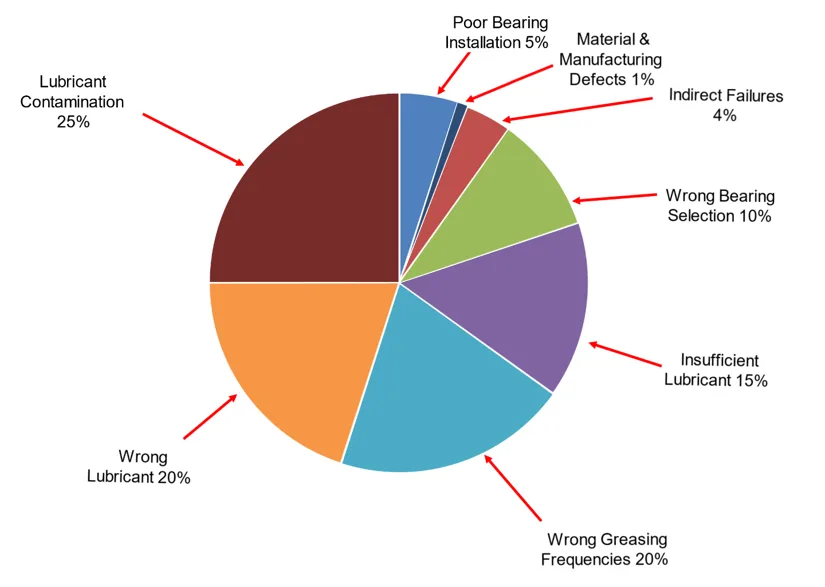
Figure 2: Common bearing failure causes (Radu 2020)
Grease composition and key elements
Grease can be viewed in two primary forms, as a finished product ready for application or a formulation comprising a thickening agent that suspends a lubricating oil.
Grease is a complex blend that may include thickening agents, base oils, additives, extreme pressure (EP) agents, tackifiers and antioxidants. Each of these components can vary in type, volume, physical characteristics and consistency, resulting in a wide range of performance outcomes.
To achieve specific operational requirements, different grease formulations use distinct combinations of these elements. For the purposes of this discussion, we focus on five principal components:
- thickening agents (soaps);
- base oil types (lubricant);
- extreme pressure (EP) additives;
- solid film additives; and
- tackifiers – substances, typically resins, that impart tackiness or stringiness, enhancing adhesion and wettability.
While other characteristics may influence grease performance, these five elements form the foundation for understanding how a grease is engineered for its intended application. The following sections examine each of these components in detail to illustrate their role in determining overall lubricant effectiveness.
Thickening agents or soap
Mixing organic and inorganic thickener types is generally inadvisable unless compatibility has been confirmed with the manufacturer. For example, lithium 12-hydroxystearate and lithium complex greases are compatible. Lithium-based greases and aluminium-based greases are not compatible. Similarly, bentone or other clay-based greases should not be mixed with any soap-based formulations.
In contemporary mining operations, particularly coal preparation facilities, the most prevalent greases are lithium 12-hydroxystearate and lithium complex types. While there is a growing interest in calcium sulfonate greases, their adoption has met with limited success.
The performance of a grease is heavily influenced by the quality of its thickening agent, which must excel in four key criteria.
Base oil retention
The thickener must effectively retain the base oil, preventing excessive oil separation or bleed, as shown in Figure 3. This can be observed in stored drums where free oil accumulates on the grease surface, or in cartridges that leak oil during storage. The Grease Base Oil Separation Test ASTM D1742 is the standard method for evaluating this property along with ASTM D4425 (Barrett 1996).
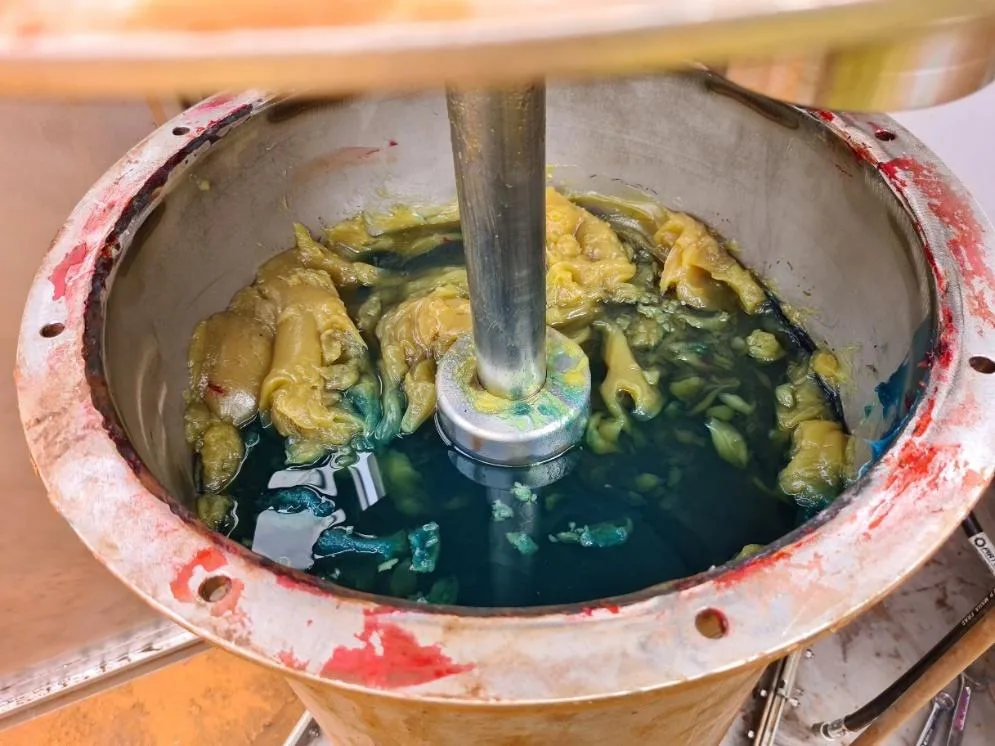
Figure 3: Severe oil bleed example
Shear stability
When grease is repeatedly worked within a bearing, pumped through a grease gun, or circulated via a centralised lubrication system, the thickening agent is subjected to shear forces from mechanical stress. These forces can alter the consistency or structural integrity of the thickener, resulting in either stiffening or breakdown of the grease.
To ensure long-term lubrication performance, grease selection should prioritise minimal change in thickener consistency under shear. This characteristic is evaluated using the Grease Shear Stability Test ASTM D217 (Barrett 1996) and reputable grease suppliers should be able to provide the corresponding technical data.
Roll Stability
In a manner comparable to shear stability, roll stability testing simulates the mechanical stresses experienced when grease is subjected to continuous rolling motion within a bearing. This test evaluates the grease’s ability to maintain its structural integrity and consistency under these conditions.
A significant change in roll stability indicates poor performance and suggests that the grease may not retain its intended consistency during service, potentially compromising bearing protection. Your lubricant supplier should be able to provide the relevant technical data for this parameter, which is evaluated in accordance with the Roll Stability Test ASTM D1831 (Barrett 1996).
Pumpability
Except for manual application using a paddle, grease is predominantly delivered through pumping systems such as grease guns, centralised lubrication systems or single-point lubricators. A critical performance criterion is the grease’s ability to flow through delivery lines with minimal pressure loss, ensuring consistent supply to the bearing. Pumpability is particularly critical in centralised and single-point systems, where pressure drop can compromise lubrication effectiveness.
While base oil viscosity can influence pumpability, the predominant factor is the type and quality of the soap or thickener. Your grease supplier should be able to provide supporting technical data, with performance typically assessed using the Lincoln Vent Meter Test and the Apparent Viscosity of Grease ASTM D1092 (Barrett 1996).
Base oil function and selection
While the thickener serves as the structural matrix and carrier, the base oil is the primary lubricating component within a grease formulation. Comprising approximately 70-95% of the total product, the base oil is second only to the thickener in criticality. It plays a key role in determining the grease’s operational performance and suitability for specific applications.
The base oil’s primary function is to maintain an adequate elastohydrodynamic or hydrodynamic lubricating film between sliding or rolling surfaces under load. This film prevents direct metal-to-metal contact, thereby avoiding boundary lubrication conditions that can lead to accelerated wear, heat generation and premature component failure.
When selecting a base oil for grease formulation, viscosity is a key parameter but is not the only consideration. Base oils are broadly categorised as mineral or synthetic, with further subtypes within each category. The most commonly used mineral oils are paraffinic base oils. Typical synthetic options include synthetic hydrocarbons (SHC) and polyalphaolefins (PAO).
Oxidation stability is another critical property. All oils oxidise over time but the rate of oxidation varies depending on their composition. Generally, mineral oils exhibit a higher oxidation rate than synthetic oils. This can lead to shorter service life in demanding operating conditions. The ‘oil nemesis’ or Arrhenius Rate Rule states that for every 10 ⁰C increase in temperature, the expected oil life is halved (Fitc 2025).
Characteristics of base oils
Paraffinic mineral oils have good lubrication properties, oxidation stability, high viscosity index and good high temperature stability. They also have a much higher oil pressure viscosity coefficient tham synthetic base oils.
SHC base oils are mineral oils that are put through a hydrocracking process to enhance a number of their lubrication properties for specific applications. They have superior thermal, oxidation and viscosity index properties.
PAO base oils are also SHCs but they are derived through a different process of solvent washing. This process is different to the hydrocracking used on some SHC oils. PAO base oils have superior thermal, oxidation and viscosity index properties. While they are marketed as a high temperature oil, they are not designed or capable to operate at temperatures greater than 100 ⁰C for a prolonged period of time.
Additional considerations for base oil selection
Selecting an appropriate base oil requires careful evaluation of its fundamental properties as each type presents unique performance characteristics. The following factors are especially important:
- viscosity index (VI) – different base oils have varying VI, indicating how well viscosity is maintained across temperature ranges. VI directly determines lubricant film thickness under load at operating temperature, influencing wear protection (Noria Corporation 2025).
- pressure-viscosity coefficient (PVC) – base oils vary in PVC and film strength. Mineral oils typically exhibit higher PVC values, resulting in stronger films under load. Synthetic oils generally provide superior thermal stability and higher VI. Lower PVC reduces film strength at very high pressures (Errichello 2025).
- operating speed – bearing or shaft speed governs base oil viscosity and National Lubricating Grease Institute (NLGI) grade (ratio of thickener to base oil). High speeds require lower-viscosity base oils, while low speeds and heavily loaded conditions require higher-viscosity oils. Heavy base oils should be avoided in high-speed applications. NLGI grade must be aligned with operating speed to ensure proper grease distribution.
- operating temperature – in mining, most bearings operate at slow speeds and relatively low temperatures 10-20°C above ambient. High-temperature greases are only required for continuous operation above 60°C. While lithium 12-hydroxy and lithium complex greases may list dropping points of 170-250°C, actual base oils cannot sustain these extremes due to oxidation limitations, regardless of mineral or synthetic composition.
Additives in grease formulations
Extreme pressure (EP) additives
EP additives are incorporated into greases and other lubricants to enhance their capacity to protect high-load contact zones in bearings, gears and similar components – particularly under boundary lubrication conditions.
They function as sacrificial agents, chemically reacting with metal surfaces when extreme loads and elevated temperatures cause the lubricating oil film to collapse. This reaction forms a protective tribochemical film that prevents adhesive wear mechanisms such as welding, scoring and galling (Booser, 1997).
Common EP additive chemistries include sulfur-based, phosphorus-based and chlorine-based compounds. These compounds are typically activated at temperatures around 500°C, initiating a surface reaction that deposits the protective film precisely where required. The correct selection and concentration of EP additives are essential to ensure adequate load-carrying capacity without compromising other lubricant properties such as oxidation stability or corrosion resistance (see Figure 4).
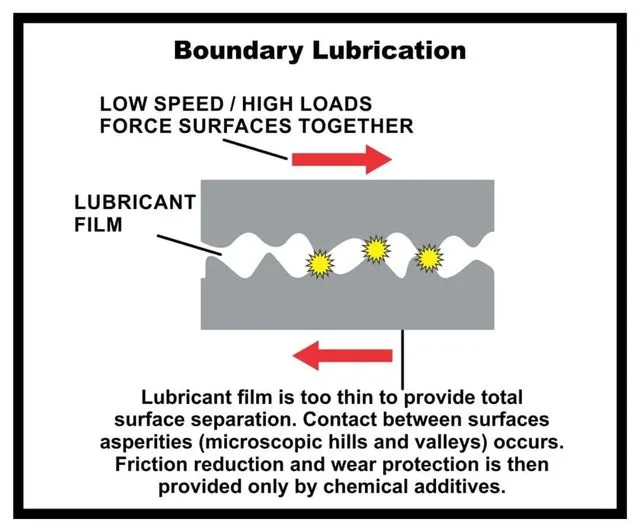
Figure 4: EP additives and boundary lubrication
When the lubricant film is too thin to provide total surface protection, contact between the surface asperities (microscopic hills and hollows) happens. Friction reduction and wear protection is only then provided by the chemical EP additives.
Solid film additives
These are widely incorporated into greases and other lubricants to enhance their performance under EP and boundary lubrication conditions. They function by forming a durable physical barrier between metal surfaces, thereby reducing direct asperity contact and minimising wear.
These additives operate as microscopic laminar sheets that coat and embed within the surface asperities of metal components. Under load, when asperities from opposing surfaces come into contact, the solid film slides rather than deforms, thereby reducing frictional forces, minimising wear and extending service life.
The most common solid film additives include molybdenum disulfide (MoS₂), graphite, and polytetrafluoroethylene (PTFE, commonly known as Teflon®). These materials exhibit lamellar (layered) structures that enable them to act as sliding sheets between heavily loaded surfaces (Barrett 1996).
In high-load applications, solid film additives are particularly effective. They adhere to the microscopic valleys and troughs of the metal surface, creating a protective layer. When asperities from an opposing surface come into contact, the solid film accommodates the load by sliding rather than allowing metal-to-metal interaction. This mechanism significantly lowers frictional forces, reduces heat generation, and extends component life under severe operating conditions (Figures 5 and 6).
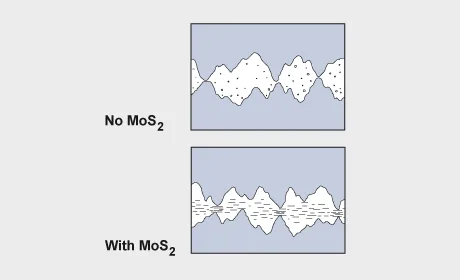
Figure 5: Top: Without MoS₂ | Bottom: With MoS₂
Tackifiers
Sometimes referred to as tacky agents, tackifiers are incorporated into lubricants and greases to enhance adhesion to bearing surfaces and improve retention during operation. They are typically polymer-based. By increasing the cohesiveness of the lubricant, tackifiers help the grease to remain in place under demanding operating conditions. Figures 7 and 8 show the different performance of between grease with and without a tackifier.
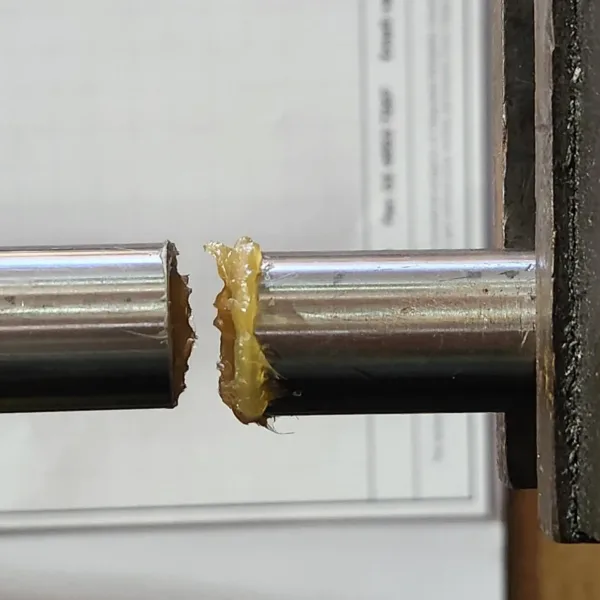
Figure 7: Grease with no tackifier agent
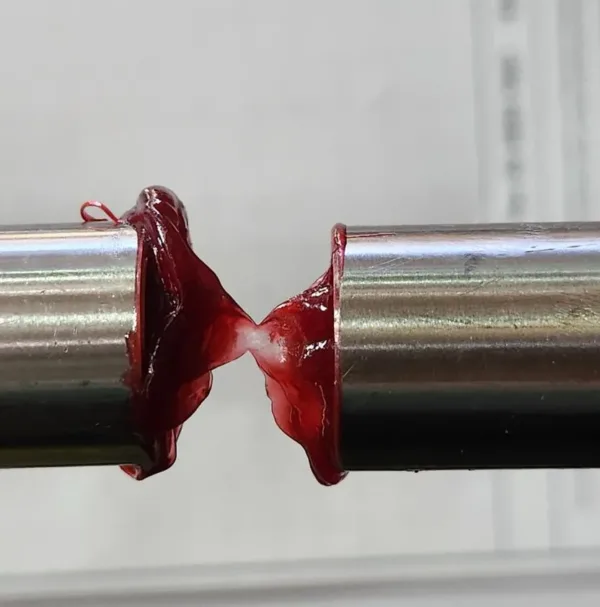
Figure 8: Grease with tackifier agent
In service, lubricants are subjected to numerous internal and external forces including shock-loading, centrifugal forces, gravitational effects, sliding and rotational stresses, and water ingression. Tackifiers are designed to counter these effects, although they are relatively shear unstable. As a result, while they are effective upon initial application, the tacky properties tend to diminish or shear over time and periodic replenishment of the grease is necessary to maintain performance.
A practical method for assessing grease tackiness is the ‘finger stretch’ test. A small amount of grease is placed between two fingers and slowly pulled apart. A grease without tackifier generally snaps cleanly after stretching 5-10 mm. Grease containing a tackifier can stretch between 20 mm and 50 mm before separation. This simple test provides a quick indication of the grease’s adhesive and cohesive properties.
Tackifiers enhance the effectiveness of seals, including labyrinth seals, by improving grease retention and creating a protective barrier against external contaminants such as water, dirt and dust. As the shaft rotates, the tackifier-enriched grease forms a continuous 360-degree sealing ring around both the shaft and the seal, providing an additional line of defence.
Water contamination in bearings is particularly detrimental. When ingression occurs, water emulsifies with the base oil in the grease, significantly reducing its lubricating capacity. Water molecules exhibit a stronger affinity for metallic surfaces than oil, displacing the lubricant and promoting surface wear. Because water is incompressible, it also generates harmful pressures under load (hydraulic affect), exacerbating mechanical stress and leading to surface damage. Beyond these effects, water intrusion accelerates rust formation and corrosion, further compromising bearing reliability.
In the absence of tackifiers, grease often migrates away from the sealing surface, drooping to the bottom of the bearing cavity and eventually detaching. This reduction in coverage compromises the integrity of the seal, increases the risk of lubricant loss, and exposes the bearing to premature contamination and failure.
Key factors in grease selection
Selecting the appropriate grease for any application requires careful evaluation of multiple interdependent factors. The four primary considerations are:
- heat – the expected operating temperature of the lubricant under normal service conditions. The grease must retain stability, resist oxidation, and maintain consistency across the required thermal range.
- speed – the bearing or shaft rotational speed (RPM) combined with the bearing’s mean diameter, which defines the surface speed in meters per second. This is commonly expressed using the DN factor (mean diameter × RPM).
- loads – the magnitude and type of applied loads, which may include hydrodynamic, elastohydrodynamic or intermittent shock loads. The grease must deliver adequate film strength to safeguard against wear and surface damage under these varying conditions
- material – the composition of the bearing or bushing being lubricated (for example brass, bronze or hardened steel). Material type influences compatibility, wear behaviour and lubricant interaction.
Thickener or soap type
Often referred to as the soap, the thickener functions as the structural matrix that carries the base oil and additive package. It ensures they are delivered to the lubrication point and remain in place during operation. While the base oil performs the primary lubrication, the thickener determines many of the grease’s handling, stability, and performance characteristics.
Key considerations include:
- environmental exposure – greases in mining operations are routinely subjected to harsh environments including high levels of water, chemical contaminants, thermal fluctuations and abrasive particulates such as dust. These can compromise the thickener matrix and alter grease consistency, reducing effectiveness.
- stability under operating conditions – changes in grease consistency due to environmental or process conditions may reduce lubrication efficiency and compromise equipment reliability
- ambient and process temperatures – thickener stability and performance can be significantly influenced
- pumpability – the rheology of the thickener affects pumpability and dispensing efficiency. Poor pumpability may lead to distribution challenges, particularly in centralised lubrication systems
- soap quality attributes – this is generally evaluated in three areas including: retention of base oil without excessive bleed (ensuring long-term lubrication effectiveness, shear stability (maintains grease structure under mechanical stress) and pumpability (governs ease of application through automated or manual systems).
Material being lubricated
The material of the lubricated surface is a decisive factor in selecting the appropriate combination of soap, base oil and additive package. In the mining sector, four principal surface types require lubrication:
- hardened steel anti-friction bearings;
- hardened steel bushes;
- brass or bronze bushes; and
- white metal bushes.
Each material presents unique requirements. The lubricant must optimise performance without introducing adverse effects to the contact surfaces. For example, for white metal bushes (or soft metals) solid film additives are unsuitable. This is because their particle size (1-75 µm) can exceed the typical lubricant film thickness (6-8 µm) and cause abrasive wear.
Anti-friction rolling bearings are best suited to conventional EP additive packages, avoiding solid film additives that may disrupt thin lubricant films.
Hardened steel and bronze bushes are more tolerant of solid film additive packages, particularly under slow-speed, high-shock loading conditions common in mining equipment.
Practices (right attitude and application)
Lubrication maintenance has challenges apart from the selection of a correct grease or lubricant. Perhaps most important is finding the right people with the right attitude to execute the lube schedule without taking shortcuts and reporting all defects.
Figure 9 shows a grease line that had not been fitted to a bearing after the bearing had been changed. Yet the lube tech had been continuing to grease the nipple which was approximately 1200 mm above the end of the hose. The new bearing eventually failed as it had not received grease since the installation.
For this application, the grease selection, frequency and volume were correct. The problem was simply that no one noticed the error – it came down to human behaviour.
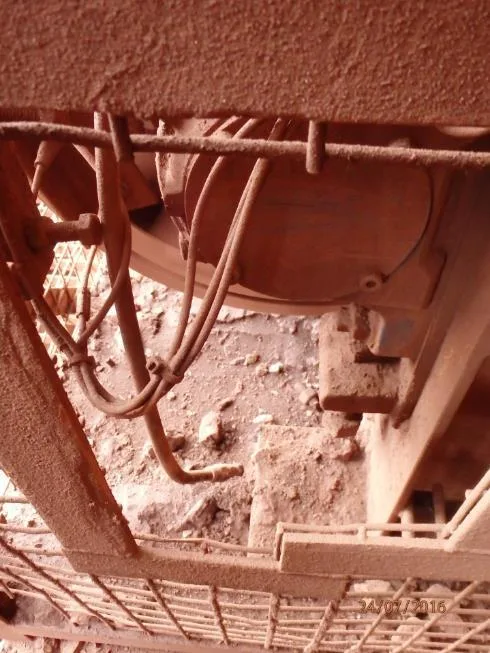
Figure 9: Remote grease line failed to be reconnected after bearing change
Conclusion
Grease selection is multifactorial, influenced by base oil type, viscosity, thickener system, load, speed and operating environment.
While correct grease selection for the intended application is a critical success factor for the reliability and performance of bearings, so too is its application and maintenance. Equipment failure often stems from execution and human error rather than lubricant selection.
Building awareness and knowledge about how grease is engineered for different uses and adopting a robust lubrication strategy such as the author’s suggested ‘seven Rs’ enhances component life, reduces downtime and optimises maintenance strategies in mining applications.
References
Aikin, A. (2022) “The Future of Lithium Greases”, Society of Tribologists and Lubrication Engineers, https://www.stle.org/files/TLTArchives/2022/11_November/Feature.aspx
Barrett, C. (1996) “The Lubrication Engineers Manual Second Addition”, pp150-151 (ASTM D1742 Grease Oil Separation Test), pp152-152 (ASTM D4425 Grease Oil Separation Test), pp128-129 (ASTM D217 Shear Stability Test), pp 138 (Apparent Viscosity of Grease ASTM D1092), pp138-139 (ASTM D1831 Roll Stability Test), pp158-159 (Lincoln Vent Meter Test), pp 556 (Solid Film Additives)
Booser, E. (1997) “Tribology Data Handbook”, Society of Tribologists and Lubrication Engineers pp120-123
Errichello, R. (2025) “Selecting Oils with High Pressure-Viscosity Coefficient”, Machinery Lubrication https://www.machinerylubrication.com/Read/586/viscosity-coefficient-bearing
Fitch, B. (2025) “How Heat Affects Lubricants: Understanding the Arrhenius Rate Rule”, Machinery Lubrication https://www.machinerylubrication.com/Read/32752/how-heat-affects-lubricants-understanding-the-arrhenius-rate-rule
Noria Corporation (2025) “Viscosity Index: What It Is and Why It’s Important”, Machinery Lubrication https://www.machinerylubrication.com/Read/31645/viscosity-index-important
Radu, C. (2020) “The Most Common Causes of Bearing Failure and the Importance of Bearing Lubrication”, Bearing News https://www.bearing-news.com/the-most-common-causes-of-bearing-failure-and-the-importance-of-bearing-lubrication/
Stanchfield, K. (2025) Flickr https://www.flickr.com/photos/sgt_spanky/151379522

Revolutionary
Power Transfer
Download the Magnadrive Handbook.
A world-changing industrial technology that saves energy, reduces operation & maintenance costs and improves system reliability.